
The Cat and Dog Deshedding Products Groomers Reach for First
6th Nov 2026
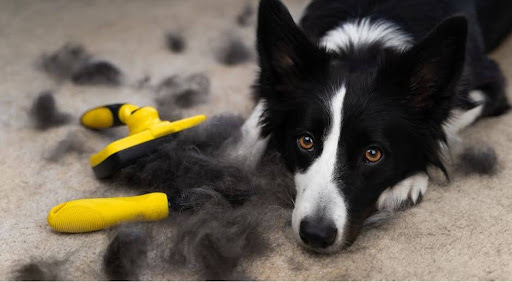
Shedding season turns a calm grooming table into a fight against fur that ends up everywhere but the trash can. Every groomer has heard a client swear their dog never shed like this before, and the fix almost always comes down to pairing the right tools with the right formulas. This list breaks down the dog deshedding products worth keeping on your shelf, the tools and shampoos that cut down on loose fur, speed up your appointments, and leave coats healthier between visits. Skip the wrong ones, and you're fighting the same shed all over again next week.
Table of Contents
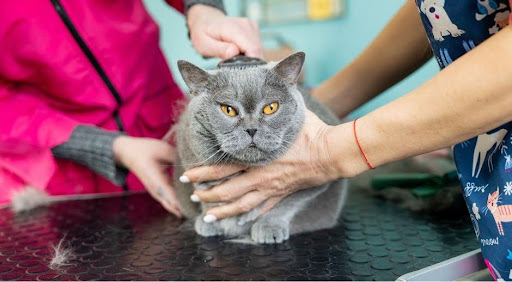
What's Really Going On Underneath All That Shedding Fur
Every dog and cat carries two layers of coat: a topcoat you can see and a softer undercoat working underneath it. That undercoat sheds constantly, and once it loosens, it either falls away on its own or stays trapped against the skin, where it mats, holds heat, and sets off hot spots and irritation.
Deshedding is the process of removing that trapped, loose hair before it turns into any of the above, and it takes more than a single brush pass to do it right. Here's what you should know:
- Double-coated breeds like Huskies, Labs, and Goldens shed undercoat year-round, with the heaviest drop-offs in spring and fall.
- Left untreated, that loose hair blocks airflow to the skin and sets the stage for odor, hot spots, and matting.
- A slicker brush or undercoat rake pulls out what's already loose, while a deshedding shampoo and conditioner system reaches the hair still anchored deeper in the coat.
- Dogs groomed on a consistent deshedding schedule shed noticeably less at home between visits.
Why One Product Alone Never Solves a Heavy Shed
A deshedding tool only removes hair that's already loose enough to lift out; it can't reach what's still anchored deeper in the undercoat. A deshedding shampoo works during the bath to loosen that deeper layer, and a matching conditioner keeps the coat smooth enough to finish the job once it's dry. Skip any one of those steps, and the same dog is back to shedding heavily within days.
The Tools That Loosen the Undercoat Before Bath Time
Every groomer collects a stack of tools over the years, and the ones that earn a permanent spot are the ones built to pull loose undercoat out fast.
Some work dry, some work best right before a bath, and most groomers end up reaching for more than one, depending on the coat in front of them.
Let's take a look at the dog deshedding products worth keeping within arm's reach at the table.
The Rake and Dryer Combo Groomers Don't Skip
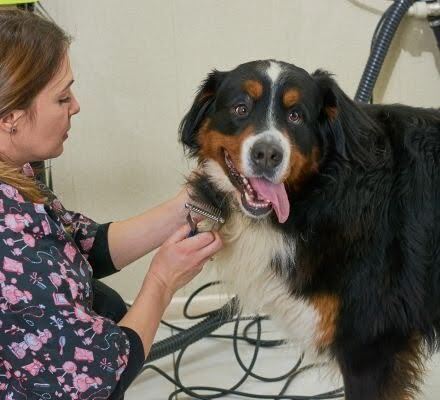
An undercoat rake gets underneath the topcoat and pulls out dead fur before it ever hits the tub, cutting bath time down significantly. Follow it with a high-velocity dryer, and the force of the air finishes blowing out whatever the rake left behind.
With this combo, most of the loose coat is gone before the shampoo even touches it.
The Importance of Deshedding Shampoo
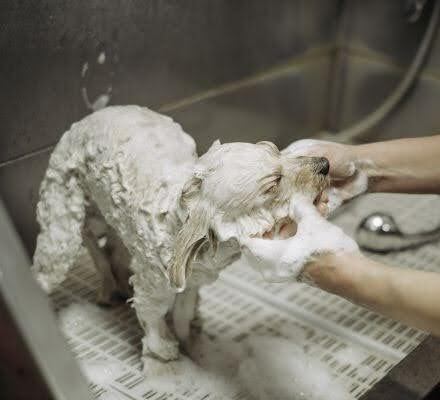
A dedicated deshedding shampoo works while the coat is soaking wet, breaking down the buildup that keeps dead hair stuck to the skin. Formulas like Bark2Basics Deshed Shampoo or Coat Handler DeShedding Shampoo are specifically designed for heavy shedders and double-coated dogs.
For clients who want to rotate brands, Bio-Groom and Nature's Specialties offer solid alternatives without losing that deshedding power.
A Deshedding Conditioner Locks In What the Shampoo Started
Skipping the conditioner after a deshedding shampoo leaves the cuticle rough, and a rough cuticle means the next shedding cycle starts sooner than it should. The Coat Handler DeShedding Conditioner, available in almond or coconut, smooths that cuticle back down and helps keep mats from forming as the coat dries. Chris Christensen's Ice on Ice Conditioner is worth stocking too, especially for clients asking for a lighter, non-oily finish.
Don't Forget About Softer, Fragrance-Free Options for Sensitive Coats and Clients
Some clients ask for fragrance-free from the start, sometimes because of a dog's allergies, sometimes because of an owner who wants a lighter scent in a small apartment.
Green Groom's botanical-based formulas cover that need without giving up the deshedding results groomers expect. Keeping a natural, low-fragrance option on the shelf means never turning away a client because the only shampoo in stock is too strong for them.
Turning These Products Into a Routine That Actually Works
Reading about deshedding tools is one thing, but a routine that keeps a heavy shedder under control needs steps in the right order. Skip a step or run them out of sequence, and the dog ends up shedding again within days. Here's the order most groomers land on once they've tested it enough times to trust it:
- Rake or brush the coat dry first, before water touches it, to clear out hair that's already loose.
- Bathe with a deshedding shampoo, giving it a few minutes to sit before rinsing so it can loosen the undercoat underneath.
- Follow with a deshedding conditioner to smooth the cuticle back down and keep new mats from forming.
- Dry with high-velocity air instead of a towel, since the force is what clears out everything the shampoo loosened.
- Swap in a fragrance-free or natural formula when a client needs it, but keep the same four-step order.
Stock Up Before Shedding Season Catches You Off Guard
Every one of these dog deshedding products works best when it's already on your shelf, not on back order the week a client's double-coated dog needs an emergency groom.
Browse the full lineup of tools, shampoos, and conditioners built for shedding season, including house brand and trusted third-party options, and build the system that fits the coats you see most.
Shop All ToolsFAQs About Dog Deshedding Products
Does deshedding shampoo actually work?
Yes, when it's paired with a tool that physically removes loose hair first. Shampoo alone loosens the undercoat, but brushing or raking is what actually gets it off the dog.
How often should a dog or cat be deshedded?
Most groomers recommend every four to six weeks, with more frequent sessions during spring and fall shedding peaks. Cats and short-haired breeds can often go a bit longer between treatments.
Can cats be deshedded the same way as dogs?
Many of the same tools and shampoos work on cats, though cats generally need a gentler touch and shorter sessions. Always check a product's label before using it on a cat's more sensitive skin.
Does deshedding hurt or stress out the pet?
A proper deshedding session shouldn't cause pain, since the right tools catch loose hair instead of pulling at the skin. Some pets do need a calmer introduction to the process, especially if grooming is new to them.
Related Articles