
Dog Grooming Tips New Groomers Wish They Knew on Day One
6th Nov 2026
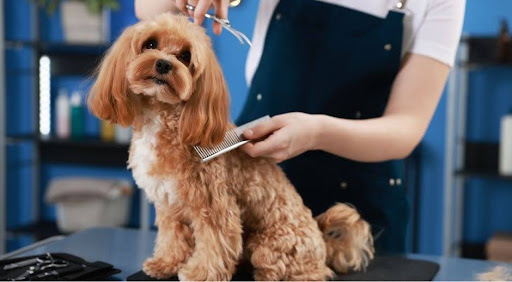
Every groomer remembers their first bad cut, the dog that wouldn't sit still, or the moment they realized prep mattered more than the clippers ever would. Nobody teaches this part in school. You pick it up one appointment at a time, usually the hard way, until something finally clicks.
These dog grooming tips come from groomers who've logged real hours behind the table, not a manual.
Below, you'll find the small habits, quick fixes, and gut calls that separate a chaotic session from a calm one, the same tricks seasoned groomers wish someone had handed them on day one.
Table of Contents
Why Every Great Groom Starts Before You Even Pick Up the Clippers
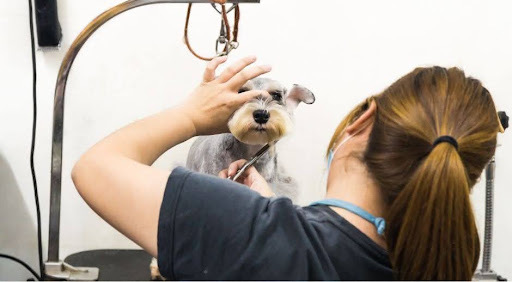
Every groom really starts before the first clip, in the setup, the read on the dog, and the small decisions most clients never notice. Skip that groundwork, and even a great pair of clippers can't save the session.
These are the dog grooming tips experienced groomers lean on before they touch a single tool, starting with the one habit almost nobody skips twice.
Tip 1: Prep Work Is the Real Secret Behind a Clean Groom
Real prep starts with a full brush-out before the bath, not after. Work through mats and tangles first, since wet fur only tightens them; then check ears, nails, and skin for anything unusual before the water even runs.
A solid slicker brush and steel comb combo does most of the heavy lifting here. Groomers who build this into every appointment spend less time fighting the coat and more time finishing clean.
Tip 2: Check for a Rear Dew Claw Before You Even Start
A rear dew claw sits higher on the leg and doesn't touch the ground, so it never wears down on its own and gets missed easily under a full coat.
Run your hand up the back of each rear leg before you start clipping. If you feel one, trim it separately and clip around it with care, since it's a common spot for nicks.
Skipping this check is how new groomers end up with an overgrown or split nail nobody noticed until the next visit.
Tip 3: The Opposite-Leg Trick That Calms a Wiggly Dog
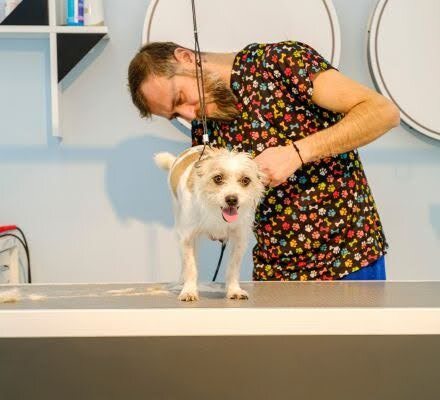
When a dog keeps pulling a front leg away from the clippers, don't fight the leg you're working on. Lift the opposite front leg an inch or two off the table instead. The dog needs that leg for balance, so it naturally settles the one you're clipping.
This is one of the small tips that turns a wrestling match into a calm groom, and it works especially well on young or first-time dogs still learning to stand still.
Try it before you reach for a second pair of hands.
Tip 4: Think in Shapes, and Your Cuts Get Cleaner Fast
Instead of chasing stray hairs, picture each section of the dog as a basic shape: a circle for the head, a cylinder for the legs, an oval for the body. Scissor toward that shape, not around loose fur, and symmetry gets easier to see fast.
This tends to work best on rounded breeds like Poodles and Doodles, especially with a good set of shears.
Tip 5: Groom in the Same Order and Dogs Learn to Relax
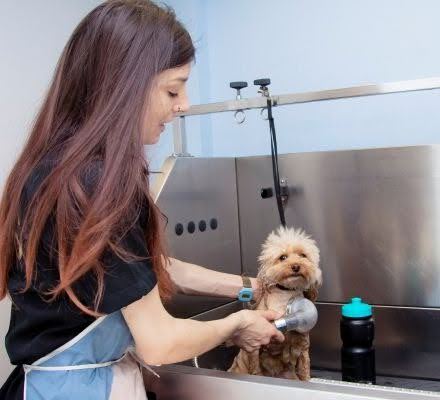
Dogs read patterns faster than they read people. Run through the same sequence every appointment, and a dog starts anticipating what happens next instead of bracing for the unknown. That predictability is what keeps a nervous or wiggly dog settled through the whole groom.
After a few visits, regulars start reading your routine like a clock:
- The bath means the groom just started, not that it's ending.
- The dryer means the hardest part is already over.
- The last brush-out means they're seconds from getting down.
Tip 6: Knowing When to Turn Away a Dog Is a Skill Too
A heavily matted coat pelted down to the skin, a dog snapping despite your best calming efforts, or a health issue outside your scope are all valid reasons to stop. Explain the risk, suggest a vet visit or a referral, and reschedule once the coat or the dog is in better shape.
Pushing through protects nobody, not the dog, and not you. Part of learning how to make dog grooming a positive experience for both of you is knowing when the honest answer is not today.
Keep basic skin and wound care supplies on hand for the grooms you do finish.
Tip 7: Finish With a Dryer Pass to Catch Every Missed Hair
Once the cut looks finished, give the coat one more pass with a stand or HV dryer before the dog leaves the table. Fluffing the coat back up reveals any long or uneven hairs that lay flat and hid during scissoring. Go back over anything that stands up or catches the light differently than the rest of the coat.
It's one of those dog grooming tips for beginners that experienced groomers do automatically and rarely think to explain out loud.
The Gear That Makes These Tips Even Easier to Pull Off
Great grooms come down to habits, not luck: solid prep and a steady hand that keeps the dog calm through the whole appointment. These dog grooming tips work even better with gear built to keep up with you every day.
Groomer's Choice stocks the clippers, shears, brushes, and dryers professional groomers already trust, so you spend less time troubleshooting tools and more time doing the work you got into this for.
Shop All ToolsDog Grooming Tip FAQs
How often should a dog be professionally groomed?
Most dogs do best every four to six weeks, though coat type and lifestyle can shift that window shorter or longer.
What's the difference between a bath and a full groom?
A bath covers washing, drying, and brushing. A full groom adds a haircut, nail trim, ear cleaning, and finishing touches.
How long does it take to feel confident as a new dog groomer?
Most groomers feel steady after six months to a year of consistent, hands-on work behind the table.
What supplies does a new dog groomer need?
A dependable clipper, a shear set, a stable table, and solid coat care products cover the real basics.
Related Articles
- How to Increase Revenue with Healthy Skin + Coat Treatments
- A Penny Saved...
- "I'm in the Pet Business"